
Pool chemicals & water care compared
1 Pools from established makers · Selection index 100.0 ±0.0% 7 d · avg €13 · as of 18/10/2026
Clear water is no accident. Compare chlorine, algaecide, flocculant, winterising products and dosing equipment here – and find out which products you really need.
The basics for clear water
For most above-ground pools, a modest basic kit is enough. Above all, use the products regularly and in the right order – adjust the pH first, then disinfect.
- Test strips or a tester for pH and free chlorine
- pH minus or pH plus to adjust the pH
- Disinfection: chlorine tablets, chlorine granules or a chlorine-free alternative (active oxygen)
- Algaecide to prevent algae
- Flocculant for cloudy water (only with a sand filter)
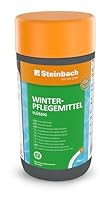
- Winterising product for the winter
pH and chlorine: the key readings
The pH should usually be between 7.0 and 7.4. If it's too high, chlorine works poorly and limescale can form; if it's too low, the water irritates skin and eyes and attacks metal parts. Free chlorine in private pools is usually around 0.3 to 1 mg/l – follow the product manufacturer's recommendation. Test at least twice a week during the season, more often in hot weather and with heavy use.
Chlorine, active oxygen or salt system?
Chlorine is the most widely used disinfectant: slow-release tablets in a floating dispenser or skimmer release chlorine evenly, while fast-dissolving granules are suited to shock chlorination. Active oxygen is a chlorine-free alternative that is felt to be gentler but needs dosing more often. Salt electrolysis systems produce chlorine themselves from lightly salted water – this saves handling tablets but requires an upfront investment and suitable pool and pump materials.
Handling pool chemicals safely
Pool chemicals are effective and must be handled with appropriate care. Read the instructions and hazard warnings on the packaging. Never mix different products, especially not chlorine with pH minus or other acids – this can release toxic chlorine gas. Always add products to water and not the other way round, and store them cool, dry, separately from each other and out of children's reach.
Less is often more
Many water problems are caused by overdosing or randomly mixing different products. Testing, dosing precisely and waiting is more effective than “more is better”.