
Guide
Pool water care for beginners
Clear, hygienic water is no black magic. With the right routine of filtering, testing and dosing, you'll have your pool under control in a few minutes a week.
Updated 7 min readEditorial team wopool.de
The three pillars of water care
Clean pool water comes from the interplay of mechanical cleaning, filtration and water chemistry. The filter system removes suspended particles and fine dirt. Skimmer nets, floor vacuums or pool robots take out leaves and deposits. And water chemistry makes sure germs and algae don't stand a chance. If one of the three pillars fails, the water quickly turns cloudy or green.
Step 1: Run the filter system correctly
The filter system should circulate all the pool water several times a day. For above-ground pools, that usually means six to ten hours of run time a day in summer, spread over several intervals. An old rule of thumb says: water temperature divided by two gives the run time in hours. With heavy use from lots of swimmers, heat or thunderstorms, run the system longer.
Rinse cartridges with a garden hose every few days and replace them when they no longer come clean. Backwash sand filters as soon as the pressure gauge rises noticeably – about once a week during the season.
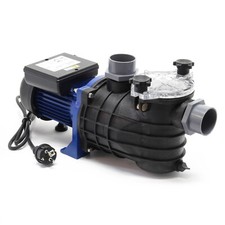
Filter pumps and sand filters
Ad All products linked with "View offer" are commission (affiliate) links: if you buy through them, we earn a commission – the price stays the same for you. As an Amazon Associate and eBay Partner Network affiliate we earn from qualifying purchases. Learn more
 Ad
AdBestway Power Steel pool rectangular swimming pool filter pump 549x274x122 …
 Ad
Ad Ad
Ad Ad
AdStep 2: Adjust the pH
The pH is the foundation of all water care, because it determines how well disinfection works. The ideal range is usually between 7.0 and 7.4. If the value is too high, chlorine works much less well, the water can turn cloudy and limescale forms. If it's too low, the water irritates eyes and skin and attacks metal parts.
Measure the pH with test strips or a tester and correct it with pH minus or pH plus. Dose in small steps, keep the filter running and measure again after a few hours. Only once the pH is right should you turn to disinfection.
Step 3: Disinfect
Most pool owners disinfect with chlorine. Slow-release chlorine tablets dissolve gradually in a floating dispenser or skimmer and keep the chlorine level constant. Fast-dissolving chlorine granules are suited to the first fill and to shock chlorination, for example after a thunderstorm or lots of swimmers. Free chlorine in private pools is usually around 0.3 to 1 mg/l – follow the instructions on the product.
If you don't like chlorine, you can switch to active oxygen. It's gentler but needs topping up more often and lasts less long at high water temperatures. Salt electrolysis systems produce chlorine directly from lightly salted water.
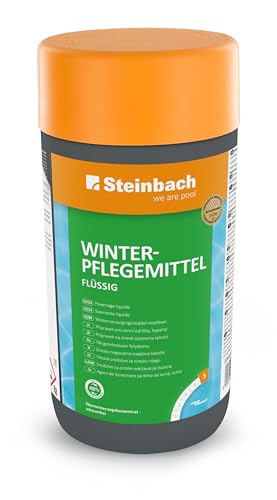
Pool chemicals and water care
Ad All products linked with "View offer" are commission (affiliate) links: if you buy through them, we earn a commission – the price stays the same for you. As an Amazon Associate and eBay Partner Network affiliate we earn from qualifying purchases. Learn more



Step 4: Prevent algae and remove dirt
Algae love warm water, sunshine and nutrients such as pollen or sun cream. A small dose of algaecide helps prevent them but doesn't replace disinfection. Skim off leaves and insects with a net every day and vacuum the floor regularly – dirt on the floor feeds algae and uses up chlorine. A cover outside swimming times keeps out a lot of dirt.
- Showering before swimming reduces sun cream and sweat in the water
- Skim daily, vacuum the floor weekly
- Clean the waterline with a pool edge cleaner
- Cover the pool when it's not in use
Weekly plan for the season
With a fixed routine, maintenance stays manageable:
- Daily: skim the surface, run the filter, visual check
- Twice a week: measure pH and chlorine and correct if needed
- Weekly: vacuum the floor, backwash the filter or clean the cartridge, empty the skimmer basket
- After a thunderstorm or pool party: test the levels, shock-chlorinate if necessary
- Regularly: top up evaporated water
Solving problems: cloudy, green, irritating
Cloudy water is usually caused by a pH that's too high, too little filter run time or a dirty filter. Adjust the pH, run the pump longer and clean the filter. With sand filters, a flocculant can bind the finest particles so that they are caught in the filter.
Green water is a sign of algae. A three-step approach helps: adjust the pH, shock-chlorinate according to the manufacturer's instructions, run the filter around the clock and brush and vacuum the floor and walls. If the water smells strongly of chlorine or irritates the eyes, this is often due to combined chlorine – in that case there isn't too much free chlorine in the water but too little, and shock chlorination is the remedy.
Handling chemicals safely
Store pool chemicals cool, dry, in their original containers and out of children's reach. Never mix different products, especially not chlorine products with acids such as pH minus – this can release toxic chlorine gas. Always add chemicals to water, never water to the chemicals, and wear gloves when handling them. After adding chlorine granules, wait until the levels have settled before swimming.
The first fill
After the first fill, run the filter system for a few hours so the water mixes thoroughly. Then measure pH and chlorine and adjust them one after the other. Tap water varies a lot by region – hard water with a lot of lime often has a higher pH and tends to turn cloudy. Shock chlorination is therefore usual for the first fill; after that, slow-release tablets are enough for maintenance.
If you use water from a well, it's worth having it analysed first: iron or manganese can turn the water brown or greenish after chlorination. Special metal binders help in this case.
Testing: test strips or a tester?
Test strips are easy to use and perfectly adequate for most above-ground pools. Dip the strip briefly into the water and compare the colour fields with the scale. Make sure you close the tub tightly and keep the strips dry, otherwise the results become inaccurate. Tablet testers with phenol red and DPD are a little more accurate; electronic testers are the most convenient but need calibrating regularly.
Always test at the same spot at about elbow depth, not right next to the floating dispenser or the return nozzle.
Topping up and replacing water
Evaporation and splashing noticeably lower the water level in summer. Top up with fresh water regularly so the skimmer can work properly. A partial water change during the season dilutes accumulated substances and can improve water quality, especially in heavily used pools.
The cost of water care
The running costs for care products are modest for an average above-ground pool. You'll save the most with a cover, which keeps out dirt and reduces chlorine consumption, and with larger pack sizes if you use the pool for several years.
Sun cream, pollen and leaves
Sun cream forms a greasy film at the waterline, pollen turns the water yellowish in early summer, and leaves bring nutrients for algae into the water. A surface skimmer, regular netting and a pool edge cleaner keep these loads low. Showering before swimming significantly reduces the amount of sun cream in the pool.
Keeping records helps
Note readings and doses in a simple list or app. That way you'll spot patterns and dose more accurately in future.
Conclusion
Run the filter, test twice a week, adjust the pH first and then the disinfection, remove dirt regularly and cover the pool: with this routine your pool water stays clear all season. If something does go wrong, the same sequence almost always helps – test, correct the pH, disinfect in a targeted way and increase the filter run time. In most cases you don't need expensive special products.
FAQ
How often do I need to add chlorine to the pool?
Slow-release tablets in a floating dispenser release chlorine continuously. Test at least twice a week and top up if the level is too low.
Why does my pool smell of chlorine?
The typical “chlorine smell” usually comes from combined chlorine, which forms when chlorine reacts with impurities. Shock chlorination often helps.
Can I run the pool without chemicals?
Larger pools need disinfection to prevent germs and algae. Chlorine-free alternatives such as active oxygen are possible; small paddling pools are best refilled often.
When can I swim again after chlorinating?
That's stated on the product. After shock chlorination, wait until the chlorine level is back in the normal range.